Schedule & Logistics
A Schedule Built to Survive Contact With a Job Site
Building the Schedule Before Building the Building
A construction schedule is only useful if it accounts for the site it's actually built on. Before ground is broken, our preconstruction and field teams work through sequencing together, weighing subcontractor availability, material lead times, and the realities of the specific site.
That early coordination is what keeps a schedule from unraveling three months in. A congregation counting down to a launch date, or a developer with a lease-up deadline, needs a date built on real logistics, not optimism.
We build a buffer into the plan for the delays every project eventually runs into, whether that's a weather week, a permitting delay, or a material shipment running behind. Hence, the completion date holds even when a single piece of the plan doesn't go exactly as scheduled.
Managing a Site While It's Still Operating
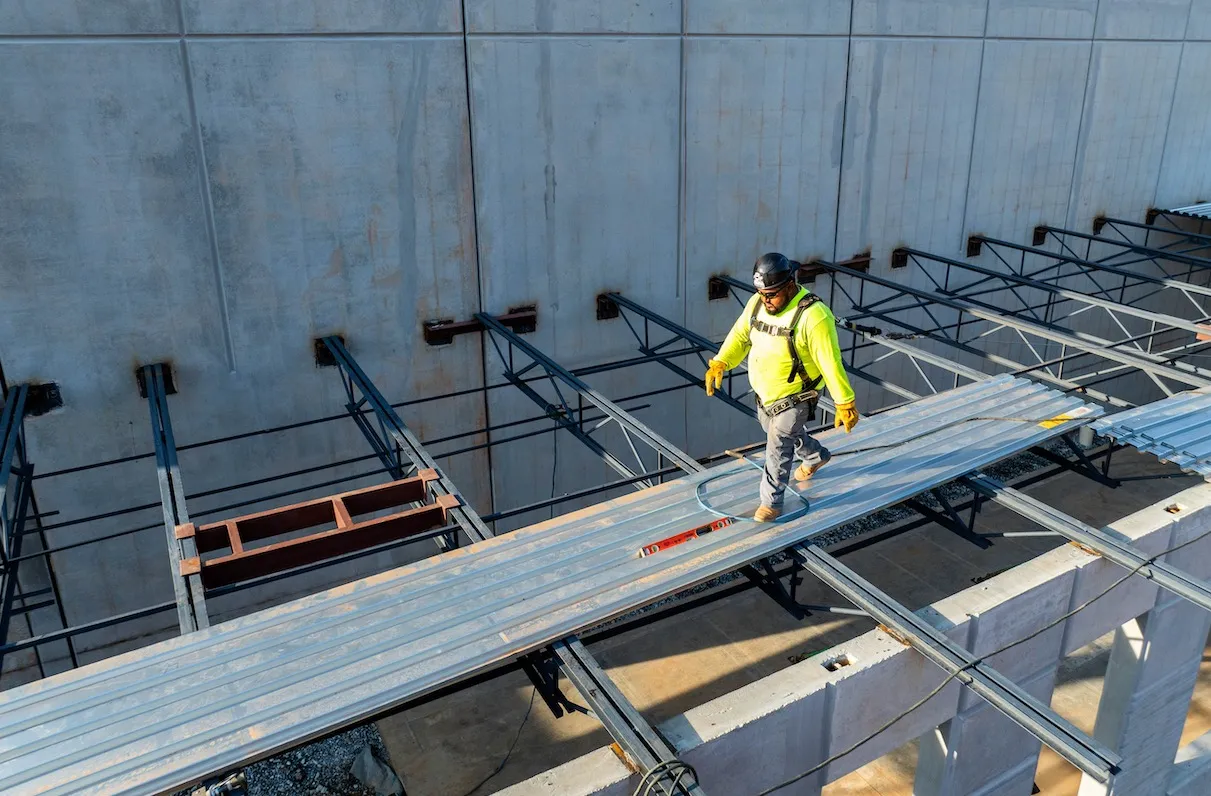
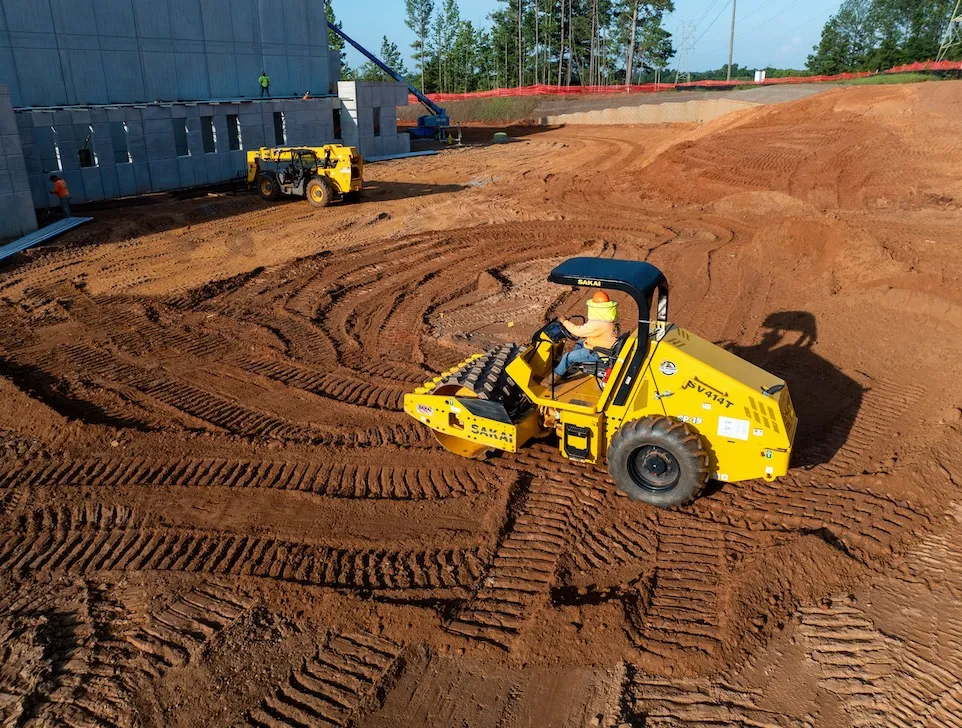
Many of our projects happen on active campuses, occupied buildings, or tight urban sites where access is limited, and disruption has real consequences. Logistics planning covers deliveries, staging, parking, and safety in a way that respects the people still using the space.
We phase work so a church can keep holding services, a developer can keep leasing units, or a business can keep its doors open, all while construction moves forward on schedule.
That kind of planning takes coordination well before the first delivery truck arrives, and it's a discipline our field teams have built over decades of working on sites that never fully close for construction.
Keeping the Schedule Honest Week to Week
A schedule set at kickoff is a starting point, not a guarantee. Our teams track progress weekly against the plan and flag slippage while there's still time to recover the date, rather than discovering a delay at the finish line.
That weekly discipline, paired with decades of experience anticipating where projects tend to slip, is how Van Winkle keeps a schedule consistent.
When a delay does show up, whether from weather, a late delivery, or a permitting hold, we communicate the impact immediately and work the recovery plan into the schedule, rather than letting the date quietly slide.
Proactive Scheduling on Every Job Site
Schedule & Logistics is where planning meets the reality of an active job site. We build sequencing into the schedule from preconstruction forward, coordinate deliveries and staging around the people still using the space, and track progress weekly so a slipping date gets caught early enough to fix. The goal is simple: the date we give an Owner is the date they get.
- Sequencing planned during preconstruction, not after groundbreak
- Site logistics built around occupied buildings and active campuses
- Weekly progress tracking against the master schedule
- Early flags on slippage, before it threatens the completion date
- Coordination with trades to keep multiple crews moving in parallel
How We Keep a Project on Schedule
Build the Sequence
Sequencing is worked out during preconstruction, accounting for lead times, subcontractor availability, and the specific constraints of the site.
Plan the Site
We map deliveries, staging, and access around whoever is still using the site, whether that's a congregation, tenants, or the public.
Track Progress Weekly
Field teams compare actual progress to the schedule every week, catching drift early rather than at a milestone review.
Adjust Before It's a Problem
When conditions change, we adjust the plan and communicate the impact immediately, so an Owner is never surprised by a moved date.
Answers to Common Schedule & Logistics Questions
How is a commercial construction project schedule developed?
The schedule is built during preconstruction with input from the field team, accounting for material lead times, subcontractor availability, and the specific conditions of the site.
What is construction site logistics planning?
It's the planning of deliveries, material staging, equipment access, and safety on a job site, especially where space is limited or the site is still in active use.
How do Contractors keep large-scale projects on schedule?
By tracking progress weekly against the master schedule and addressing slippage as soon as it appears, rather than waiting for a milestone to reveal a problem.
What causes construction schedule delays, and how are they mitigated?
Delays usually come from material lead times, weather, or unexpected site conditions. Building a buffer into the schedule and tracking progress weekly helps catch and absorb these before they threaten completion.
How is site logistics managed on active job sites with limited access?
We plan deliveries, staging, and worker access around the constraints of the site and the people still using it, phasing work so operations can continue alongside construction.
.jpg%202026-09-17%20at%203.08.46%20PM.webp)
Let's Talk Timeline
Tell us your target date and the constraints of your site, and we'll get started with a plan.