Budgeting & Cost Planning
Cost Planning Before Construction Starts
Pricing Before the Drawings Are Finished
A construction budget built on incomplete drawings is still a real budget if it's built carefully. We start pricing a project as early as the concept phase, working from whatever schematic information exists and filling the gaps with historical cost data from projects like it. That number gets refined as the design develops, but the goal from day one is the same: give the client a figure they can actually plan around, not one that's optimistic enough to win the job and wrong enough to cause problems six months in.
What Actually Drives a Commercial Construction Budget
Material costs move, but they're rarely what sinks a budget. The bigger risks are usually site conditions that nobody scoped early enough, a scope that grows quietly during design, and delivery methods chosen for the wrong reasons. Our cost planning accounts for all three, with contingencies sized to the project's actual risk rather than a flat percentage pulled from a template. That's the difference between a budget that survives a permitting delay and one that doesn't.
Keeping the Owner Informed as the Design Develops
Cost planning isn't a single estimate handed over at the start and forgotten. As the design moves from schematic to design development to construction documents, we update the budget at each phase, so the client sees where the number is moving and why before it becomes a surprise. That kind of transparency is part of what keeps clients coming back to us for their next project instead of shopping around.
Preventing Overruns Before They Happen
Most cost overruns are preventable if they're caught early enough. We flag scope creep, materials risk, and schedule pressure as soon as we see them forming, rather than waiting for a monthly report to catch up. Paired with value engineering and a Guaranteed Maximum Price on most of our projects, that discipline is how we protect the number we gave the client at the start.
A Budget That Moves With the Design, Not Against It
We treat a construction budget as a living document during preconstruction, refined as drawings mature rather than fixed once and defended after the fact.
- Line-item estimates at every design phase
- Transparent cost tracking you can see
- A GMP the client can actually hold to
How We Build a Construction Budget
Concept-Level Estimate
We price the project from early drawings and comparable project data to establish a starting number.
Design Development Refinement
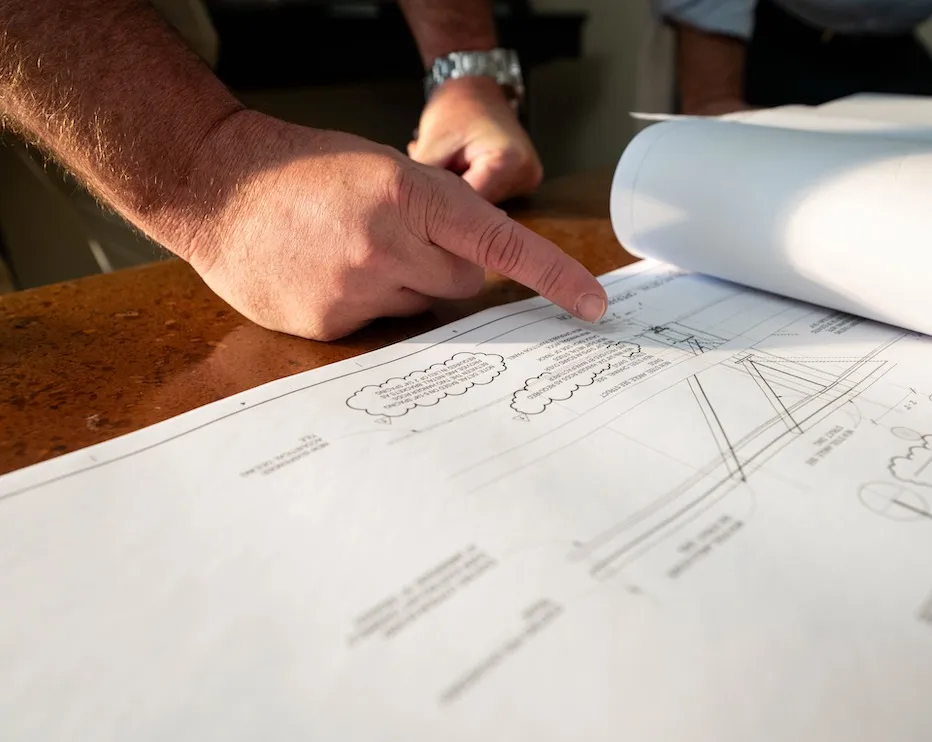
As drawings mature, we refine the estimate line by line, keeping the client informed of any movement.
Risk-Based Contingency
We size contingencies to the specific risks in the project, not a generic percentage.
Ongoing Cost Tracking
We track costs against the budget throughout preconstruction and into construction.
Final GMP Lock
Once the design and scope are settled, we lock in a Guaranteed Maximum Price that the client can build around.
Answers to Common Budgeting & Cost Planning Questions
What is cost planning in commercial construction?
Cost planning is the process of estimating and refining a construction budget as the design develops, from an early concept-level estimate through a final, locked number before construction begins.
How accurate are early-stage construction budget estimates?
Early estimates are directional rather than final, since they're built on incomplete drawings. Still, a good preconstruction team narrows that range quickly as the design develops and refines the number at each phase.
What factors influence a commercial construction budget?
Site conditions, scope changes during design, material and labor costs, the chosen delivery method, and how much contingency the project actually needs all factor into the final number.
How does a Contractor create a construction cost estimate before design is complete?
By combining whatever schematic information exists with historical cost data from comparable projects, and then refining that estimate as more detailed drawings become available.
How can budgeting and cost planning prevent construction cost overruns?
By catching scope creep, site risk, and schedule pressure early enough to address them before they become expensive, and by keeping the client informed at every phase instead of only at the end.
.jpg%202026-09-17%20at%203.08.46%20PM.webp)
Want a Realistic Number Early?
Bring us in during concept, and we'll help you build an accurate budget.